
As I’ve continued reflecting on my time at MEA Santa Fe in September 2025, one realization keeps surfacing: midlife wisdom schools aren’t just a timely idea; they’re becoming an essential global need.
Around the world, people are quietly navigating transitions, reckonings, and reinventions that no longer fit the old scripts of midlife and beyond. Yet very few places exist where people can pause, reorient, and see the second half of life as a stage of growth rather than decline or stagnation.
We are living through a global midlife moment that requires wisdom, not optimization, and MEA shows what becomes possible when people are given space to realign.
What MEA reflects is something older than any single tradition: the human need to step out of ordinary life from time to time and ask more honest questions about how we’re living. Across cultures and generations, people have created spaces of retreat, reflection, and renewal when the outer world became too loud, too fast, or no longer aligned with who they were becoming. Not to escape life, but to remember how to inhabit it more fully. MEA stands in that timeless impulse, offering a modern container for the work people have always done when familiar roles, goals, and identities begin to feel incomplete.
What MEA demonstrates is the power of an intentional pause. A deliberate stepping out of routine life to tell the truth, recalibrate, and return with greater clarity. When people reach this crossroads, they don’t need more strategies; they need space. Space to listen, realign, and imagine life differently. In that way, MEA meets people not at the height of ambition, but at the moment when meaning begins to matter more.
Living in Japan for nearly three decades has shown me how deeply this same need exists here as well. Japan has long valued ritual, reflection, impermanence, and community, yet modern midlife adults still struggle with burnout, identity fatigue, and unprocessed transitions. Concepts like ikigai (everyday sources of meaning) and shūkatsu (not as preparing for death, but as consciously clearing space for a life that finally belongs to you) offer language for what many people already feel. What’s often missing is a compassionate, shared container where people can slow down, reflect honestly, and do this work in community.
Japan now stands at the edge of what much of the world is waking up to: the shift from a knowledge economy to a wisdom economy. An aging population, respect for seasonality, and a growing hunger for meaning-centered living create fertile ground for this work. A wisdom academy shaped by MEA’s guiding principles and adapted to Japanese wisdom could serve as a bridge for global travelers and an East–West crossroads for reflection, contribution, and renewal.
Two of my most personal takeaways from MEA were rediscovering stillness and sensing early signs of alignment among my head, heart, and gut. I call this “Midlife Ma,” the spacious pause between who we’ve been and who we’re becoming. It wasn’t dramatic. It was a quiet awareness that life finally had room to breathe.
Approaching MEA as a pilgrimage from Japan shaped the experience in unexpected ways. Shortly after takeoff from Los Angeles, looking down at the Pacific coastline, I felt myself releasing a version of myself I had outgrown. Ten hours later, descending toward Japan, watching white-crested waves meet the shore, I felt something different, not return, but homecoming. I wasn’t coming back the same. I was welcoming home the person I was becoming.
In late May 2026, inspired by everything MEA opened in me, I’ll be leading an intimate, culturally-rooted workshop in the quiet mountains of Nagano for men and women 40 and beyond, navigating the space between who they’ve been and who they’re becoming. Using the Japanese lens of shūkatsu, the workshop explores midlife and beyond not as a somber task, but as a powerful invitation to make the most of the life we have left. Those who come will leave with greater clarity about what feels complete, what still feels alive, and how they want to shape the years ahead.
The retreat integrates ikigai, other Japanese concepts, guided reflection, time in nature, shared conversations, guest-led encounters, a tea ceremony, forest walks, stargazing, and meaningful interactions with Japanese peers. It also reflects a broader intention I hold: to build a midlife wisdom academy rooted in Japan that helps people reorient their lives with intention, depth, and humanity, and to clarify how their lived experiences, values, and energy might be offered in service of something meaningful, whether locally or globally. At its heart is a simple realization: rushing through life’s questions often tightens the knot. Sometimes the wisest move is to pause and to be still long enough to hear what’s happening beneath the surface. In that stillness, what matters rises, and the next step becomes clearer.
If you’re feeling a quiet misalignment, if something in you knows the old ways no longer fit, even if you can’t yet name what’s next, you’re not alone. This gathering in Nagano is an invitation to stop rushing those answers and give them the space they require. Sometimes the most important step forward isn’t doing more; it’s choosing the right place and the right moment to realign.
-Jeff
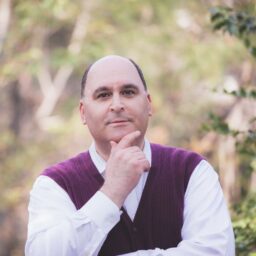
Jeff Singal (originally from Boston) is a Japan-based guide (in Nagoya) creating reflective, pilgrimage-style experiences for people navigating midlife reinvention – no spreadsheets or optimization hacks required. After nearly three decades living in Japan, he draws on authentic Japanese philosophy, lived experience, and contemplative practices to help participants slow down, realign their inner compass, and choose what truly matters next (usually after taking a proper pause). To learn more, contact me at [email protected] or visit https://jeffsingal.com/.