
I recently attended the celebration of life for a high school friend, Jim. He was the kind of person who made rooms brighter—warm, lovable, laughing, courageous. Everyone had a “Jim story.” In high school he was an athlete, student leader, director of the musical, and a friend to all. Later, as life pulled us into different cities and careers, he still held a place in my heart.
When early-onset Alzheimer’s entered the picture, I stayed in touch with his sister. We shared the grief of watching him slip into the shadows of the disease. And then, at his celebration of life, I watched something remarkable: friends telling true stories, a son singing one of his dad’s favorites, a sister describing the brother who always protected her. We laughed and cried in the same breath.
By any definition except sheer length of years, Jim lived a five-star life. The eulogies were five-star, too, not because of polish, but because they were rooted in real moments. That day pushed me to reflect—personally and professionally—on what we’re really doing when we “build wealth.”
What a five-star life looks like:
- Relationships first. He invested in people and made space for them.
- Courage in hard chapters. He faced illness with dignity; his decency held even as memory frayed.
- Reliability without fanfare. Friends counted on his counsel because he earned trust over time.
- Joy in the ordinary. He loved life intensely and gave others permission to do the same.
There’s a statue in my office of Don Quixote—slumped in a chair, book in one hand, sword in the other. Cervantes wrote of an aging man with failing memory who still set out to fight incivility with simple decency. That image helps me name what I saw in Jim’s final years: decency that remained. Disease could take many things; it could not take the imprint he left on others.
Wealth’s real job: impact
Wealth means so many things to so many different people. Wealth done right buys time for relationships and experiences. It fuels passions. It underwrites legacies—families, protégés, businesses, neighborhoods, churches. It funds charity, art, education, health, and community. It purchases freedom and peace of mind.
In short: wise wealth builds people, not just portfolios.
Most financial advisors talk about return on investment. Ideally, we should focus on return on life—more peace, more clarity, and more time with your passions and your people.
Two conversations every family should have (early and often)
1) Quantitative (the facts):
- What exists (accounts, entities, insurance, real estate).
- Where it’s held and how to access it.
- Who’s responsible for what.
- How long assets are designed to last under different assumptions.
2) Qualitative (the meaning):
- What do you want your money to mean in your life?
- Hopes, fears, and non-negotiables for spouse, children, and grandchildren.
- The stories and values you want passed down—and why.
- What you want celebrated and what you want avoided.
I’ve seen families pulled together by clarity—and pulled apart by silence. Gifts without context invite guesswork and resentment. A strong legacy plan doesn’t just divide assets; it installs and multiplies values. It gives the why behind the what.
The advisor’s role (as we see it)
Whether you have a small amount of money or a wealthy portfolio, it helps to have an advisor. When a diagnosis or loss arrives, the first calls often come to our advisory team. We help families move through both the transition of money and the transfer of meaning. That includes surfacing information hidden for years, simplifying decisions, and making sure people hear—clearly—what the grantors intended.
We also never forget a hard truth: having money can create more problems than not having it—if context is missing. That’s why we push for early, honest communication. It lowers the temperature, aligns expectations, and preserves relationships.
And, the most important question an advisor can ask isn’t “How much do you have?” It’s “What do you want your life to mean?” That’s where an advisor should start. From there, the investment plan, tax strategy, and estate structure make sense because they’re anchored to purpose.
Jim reminded me that legacy isn’t something you leave behind—it’s how you live while you’re here. Use your wealth to create memories, enhance relationships, and live more. Pass down your wisdom, not just your wealth.
That’s the work that matters.
-Tim
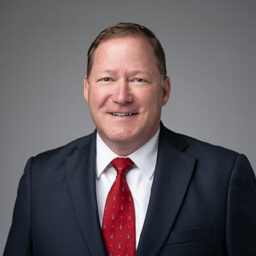
Tim is CEO of Croak Capital, an independent family agency financial advisory firm in Toledo Ohio. He is also Chairman of the Board of Unison Health, one of Ohio’s largest mental health firms, and sits on the board of Mercy Health System Foundation and the Valentine Theater.